
01
Waymo Explores $15B+ Funding Round at Near $100B ValuationFUNDING
Alphabet's self-driving unit Waymo is in talks with investors to raise over $15 billion at a valuation approaching $100 billion. The round is led by Dragoneer, with participation from Sequoia, DST Global, and other institutions. This would be one of the largest private financing rounds in transportation tech history, fueling speculation that Waymo may be preparing for an IPO. Waymo currently operates fully driverless robotaxi services in San Francisco, Phoenix, Los Angeles, and other cities.[1]
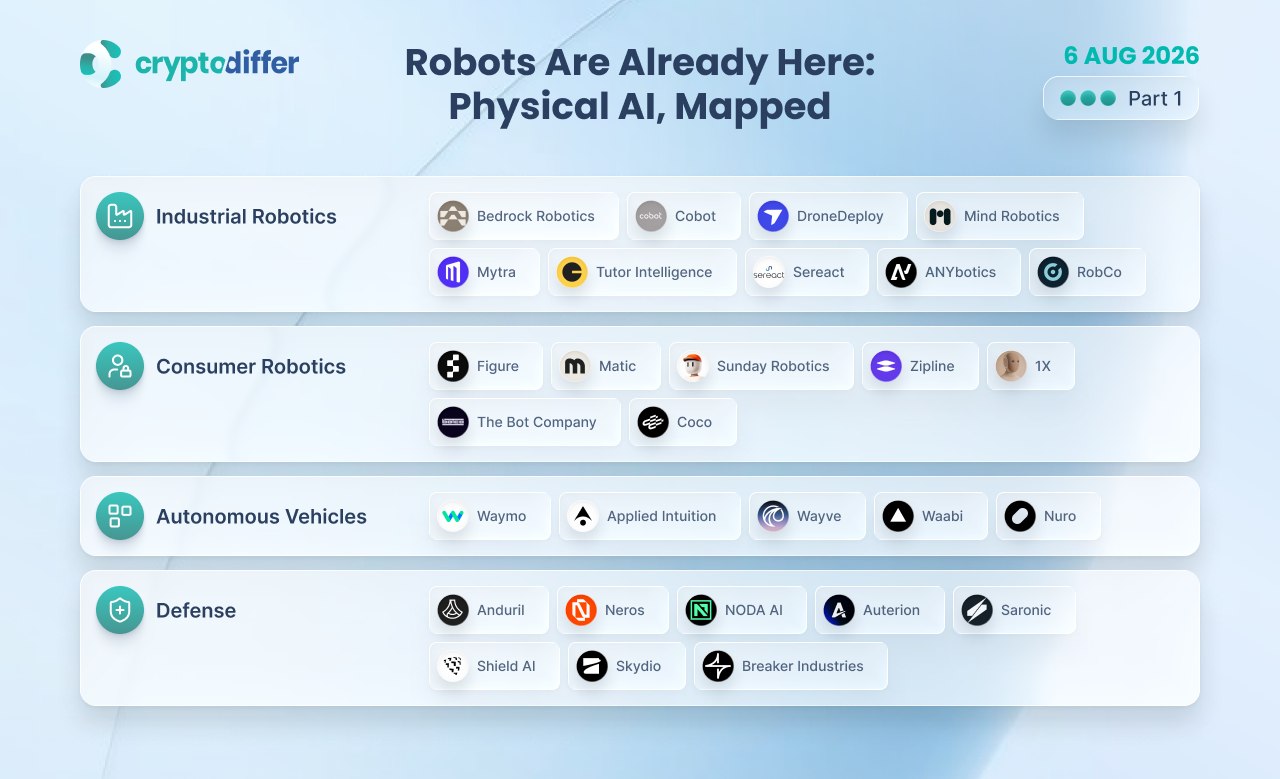
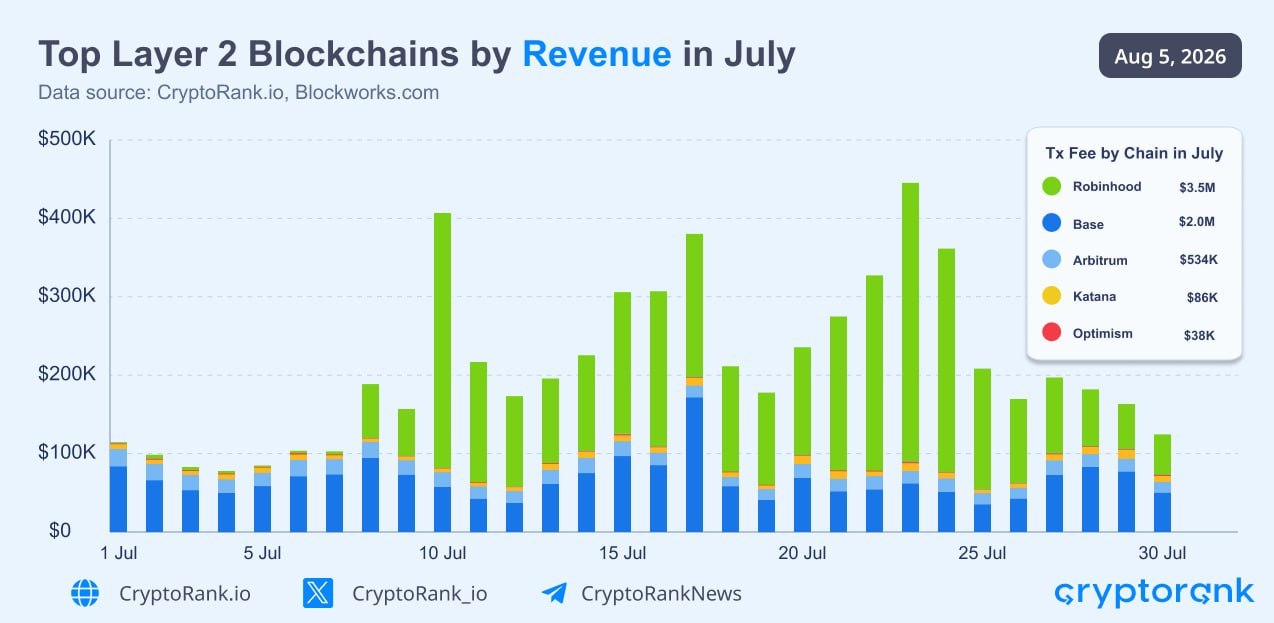
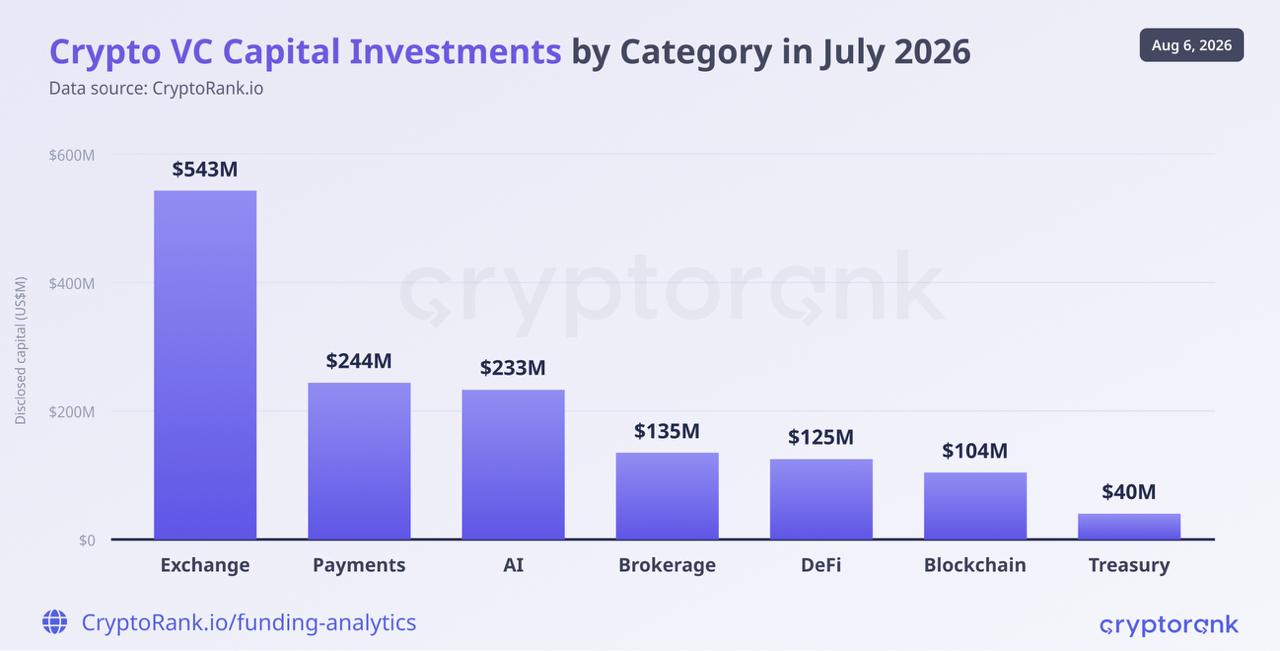
This week in AI, the autonomous driving sector has exploded in full force. Waymo's near-$100B valuation raise, Wayve's $1.2B SoftBank-led round, and Moove's $250M Series C — three major funding deals landing in close succession — signal that embodied AI and robotaxi are transitioning from technology validation into large-scale expansion. Combined with continued heat in enterprise agents and AI infrastructure, the AI capex curve shows no sign of inflection.
On the Web3 side, three consecutive days of spot Bitcoin ETF inflows signal institutional dip-buying, but another delay to the CLARITY Act remains a medium-term overhang. Against a backdrop of whale high-leverage shorting and dual long-short liquidations, the short-term market will remain range-bound, with attention focused on whether the $65,000 resistance level can be decisively broken.
Across both sectors, AI compute demand and Web3 on-chain activity are diverging — AI capital expenditure continues to exceed expectations, while crypto markets trade in shrinking volume within a regulatory vacuum. The intersection of these two narratives — AI-driven on-chain security auditing and decentralized compute networks — may represent the next phase of structural opportunity.